
Dakota County Arrest Records and Court Charges
Arrest records in Dakota County can come from the Sheriff's Office, jail intake, warrant activity, or an agency that made the arrest. Those records can show that a person was booked, searched, fingerprinted, photographed, assigned housing, or held in the Dakota County Jail. They are not the same as a final court outcome. The court charge record begins when a prosecutor files or supports a complaint, citation, or charge in Dakota County District Court.
A charge record is narrower than the full criminal court file. It focuses on the alleged offense, statute, severity, charging document, arresting or citing agency context, first appearance, bail or bond entries, and current disposition. The full court case adds hearings, pleas, motions, trial settings, sentencing, probation, fines, restitution, and post-disposition events. Jail custody details belong with the roster, while the charge and court outcome belong with District Court records.
The Dakota County warrants overview connects missed court dates and warrant status with District Court contact routes.
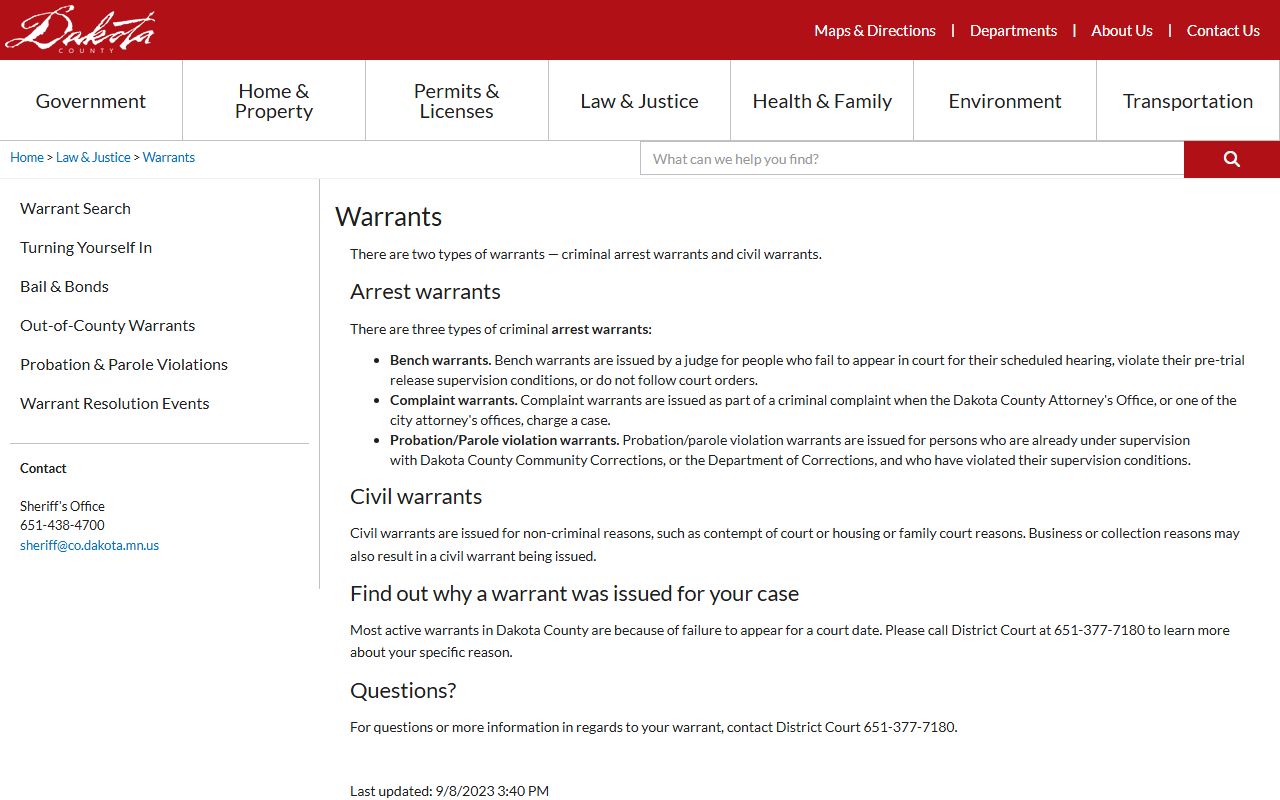
Warrant context matters because a failure to appear can become a court event tied to the original charge record.
Search Dakota County Arrest Records
The most useful route depends on what part of the arrest-to-charge path is needed. Current jail custody is searched through the Dakota County Jail Inmate Search. Filed complaints can be checked through the Dakota County criminal complaint search for recent complaints. Formal charge status, hearings, disposition, and sentence information are searched through MCRO because Dakota County criminal cases are District Court cases.
- Use the Dakota County jail search for current-custody status only.
- Use the criminal complaint search for complaints filed in Dakota County District Court during the county's posted coverage window.
- Use MCRO Case Search by defendant name, case number, or citation number for the court case.
- Read the charge entries, Register of Actions, disposition, and sentencing lines before treating the matter as resolved.
- Contact Court Administration for certified copies, older files, and records not visible online.
The Dakota County Jail overview explains the local custody setting connected to arrest records.
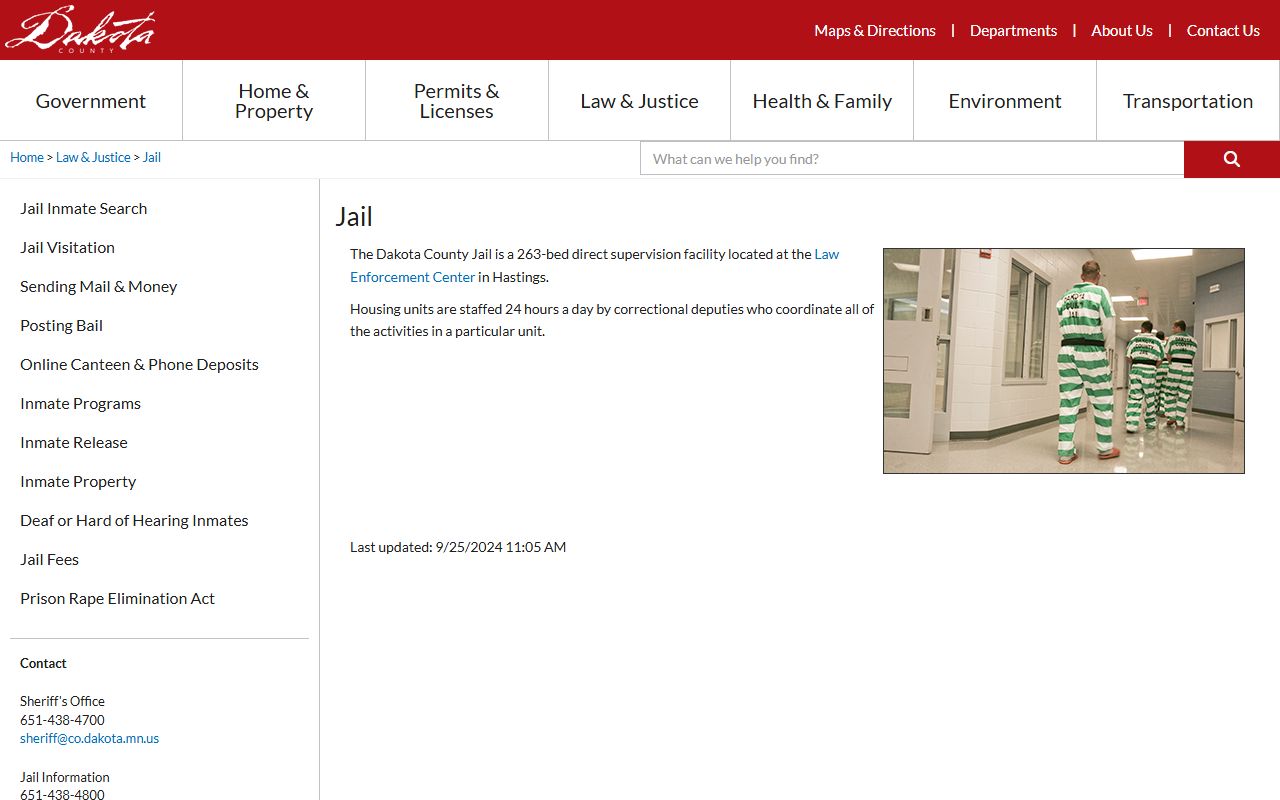
That custody information can explain where an arrest led before the formal court charge record developed.
Dakota County Court Charges After Arrest
Dakota County publishes a criminal complaint search for complaints filed in Dakota County District Court. The research states that complaints are available for 12 months and excludes complaints with charges of criminal sexual conduct or child abuse images from that public tool. If a complaint is not posted, the county directs users to Court Administration, MCRO, or a public access terminal at the Northern and Western service centers.
| Field Label | Type | Required | Notes |
|---|---|---|---|
| Last name | Text | At least one criterion | Searches defendant last name. |
| First name | Text | At least one criterion | Narrows the defendant search. |
| From date posted | Date picker | No | Start date for posted complaints. |
| Thru date posted | Date picker | No | End date for posted complaints. |
| Search status | Button/status | n/a | The page asks for at least one search criterion. |
Complaint search results should be checked against the full District Court case record. A complaint is an early charging document. It does not, by itself, prove conviction, sentence, or final charge status.
Charging Documents in Dakota County
After an arrest, prosecutors decide what formal charges to file, whether to amend a charge, and how the matter should proceed in court. In Dakota County, the County Attorney's Office is relevant to criminal complaints, charging decisions, discovery, victim and witness work, and county-attorney-maintained data. The filed court record may use a complaint or citation, while more serious prosecution paths can involve other charging documents under Minnesota criminal procedure.
| Document | Common Role | Where It Appears | What to Check |
|---|---|---|---|
| Complaint | States charges and probable-cause facts. | Dakota County complaint search and MCRO when public. | Charge, statute, date, defendant, and probable cause. |
| Citation | Often starts traffic, petty, or lower-level criminal matters. | MCRO citation search and Court Web Payment if payable. | Citation number, offense, court date, and payable status. |
| Indictment or other charging route | Used in specific serious or procedurally distinct matters. | District Court case file when public. | Filed counts, later amendments, and disposition. |
The Dakota County Veterans Treatment Court page describes a specialty track that can affect review hearings and probation terms after charges are filed.
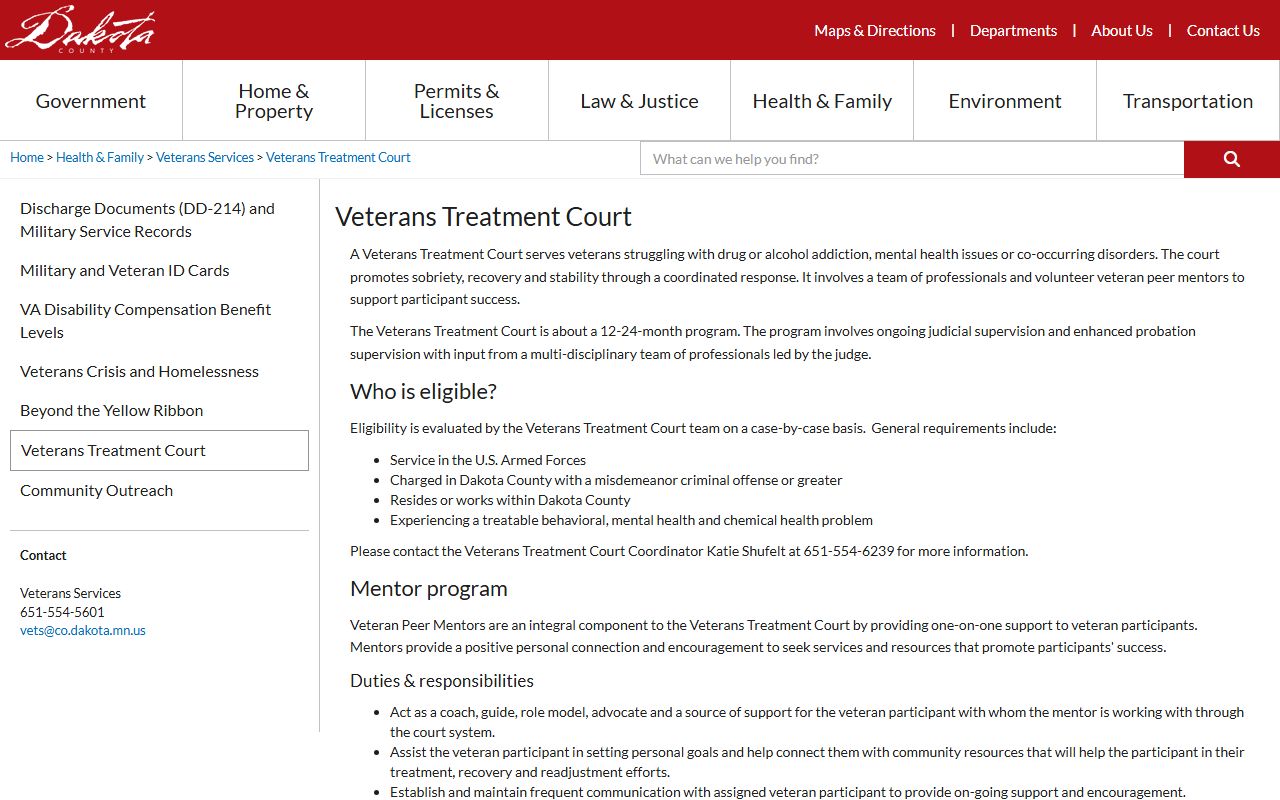
Treatment-court participation does not erase a charge record, but it can change the docket events that follow the charging document.
Dakota County Charge Status
Charges can change as a case moves through court. A filed charge may stay pending, be amended, be reduced, be added to, be dismissed, or resolve through plea, verdict, or other disposition. Minnesota dockets may use court-specific wording, so the safest reading is to compare the first charge entry with later disposition and sentencing entries in the Register of Actions.
| Status | What It Means |
|---|---|
| Pending | The charge has not reached a final outcome in the court record. |
| Amended or reduced | The original charge changed, often by plea, order, or prosecutor action. |
| Dismissed | The court record shows the charge ended without conviction for that count. |
| Disposed | The charge has a recorded outcome, which must be read with sentence and judgment entries. |
| Warrant event | A missed court date or court order may trigger a warrant linked to the case. |
Dakota Charges vs Convictions
A charge is an allegation. A conviction is a final criminal outcome based on a guilty plea, guilty verdict, or court finding. Dakota County arrest records and complaint records can show allegations long before the case is resolved. A proper charge lookup checks the filed charge, later amendments, disposition, sentence, and any expungement or sealing order.
| Issue | Charge | Conviction |
|---|---|---|
| Meaning | Alleged offense filed in court after citation, complaint, or arrest. | Final guilty outcome after plea, verdict, or court finding. |
| Timing | Appears early in the court case. | Appears after plea, trial, or final disposition. |
| Can change | Can be amended, reduced, added, or dismissed. | Can be affected by appeal, correction, or expungement order. |
| How to verify | Read complaint and charge history. | Read disposition and sentencing entries. |
Warrants, Bail, and Charges
Warrants can connect arrest records to charge records. Dakota County's warrant overview says most active warrants are due to failure to appear for a court date. Civil warrants can also be issued for non-criminal reasons such as contempt, housing, family court, business, or collection matters. For an arrest tied to a warrant, check the warrant page, call District Court about the reason, and search MCRO for the underlying case.
Bail or bond entries can appear in criminal court records after arrest or warrant activity. The research notes a Dakota County cash bail order effective February 1, 2023, and the court record may show bail, bond, release conditions, hearings, or warrant recalls. A bail line is not the same as a conviction. It is part of the pretrial case path.
Dakota County Attorney Role
Dakota County Attorney Kathryn M. Keena heads the office connected to county criminal prosecution. The office is relevant to charging decisions, criminal complaints, public case communications, discovery, victim and witness services, and county-attorney-maintained public data. The research lists the office phone as 651-438-4438 and attorney@co.dakota.mn.us for contact. Data maintained by the County Attorney's Office can be requested through the county attorney data route, while certified court records still go through Court Administration.
Recent official County Attorney news releases in 2026 referenced Dakota County District Court prosecutions and sentencings, which confirms that charges, verdicts, and sentences route through the local District Court case file. News releases are not substitutes for court records. Use them as context, then confirm the case in MCRO or through Court Administration.
The Adult Drug Court supervision page explains one Dakota County program that may shape criminal charge outcomes and review hearings.
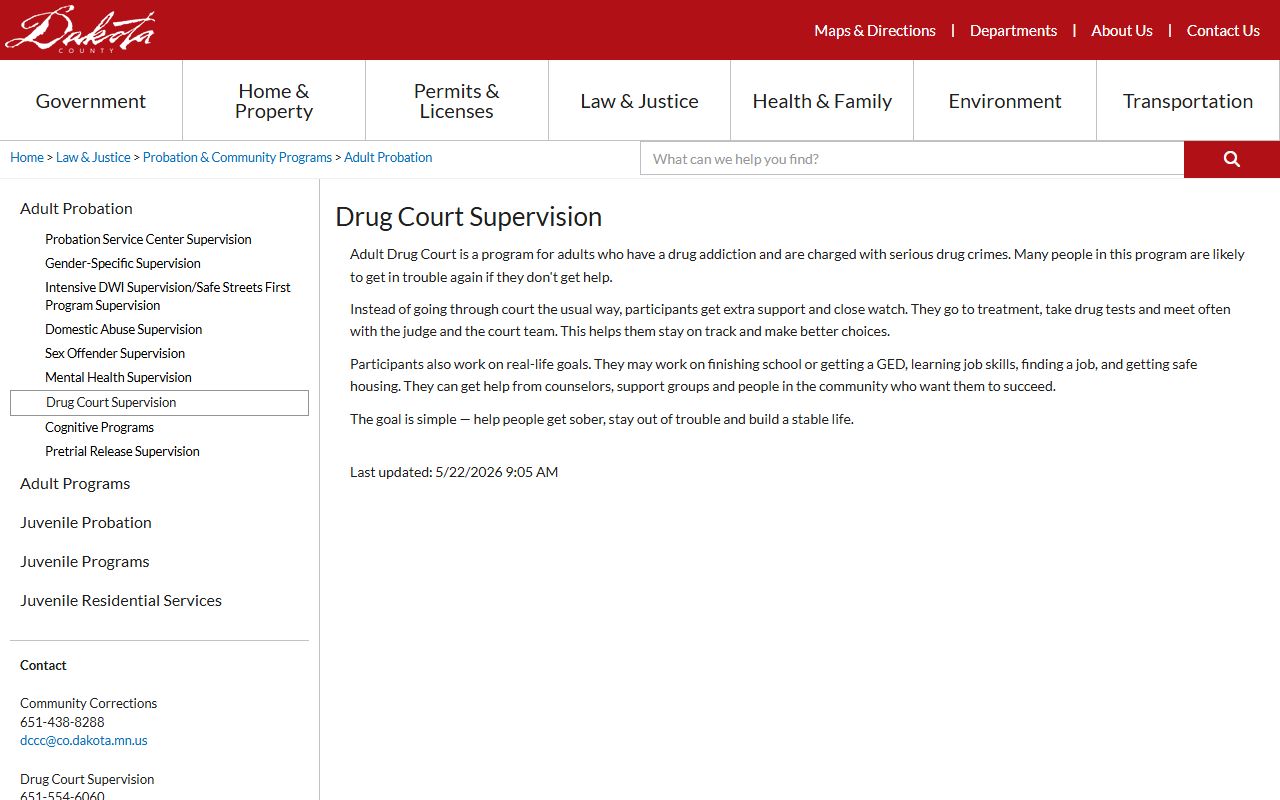
Drug court can add treatment, testing, review, and compliance details to a case after charges are filed.
Sealed and Expunged Charges
Sealed and expunged records should not be treated as ordinary public charge records. Minnesota expungement is a sealing process, not automatic destruction of every record in every system. Under Minnesota law, a person seeking criminal expungement generally files a petition unless a statute provides another route. The petition identifies the case, charges, agencies holding records, legal basis, and reason sealing should be granted.
| Issue | Sealed | Expunged |
|---|---|---|
| Public access | Hidden from ordinary public view by statute, rule, or order. | Sealed from public access through Minnesota expungement authority. |
| Record existence | The record still exists but access is limited. | The record is sealed; it is not always physically erased from every system. |
| Agency access | May remain available to courts or agencies if law allows. | May remain available under statute, court order, or agency authority. |
| Where filed | Depends on the case type and order. | Dakota County District Court for local criminal cases. |
The Minnesota juvenile records statute limits access to juvenile delinquency records.
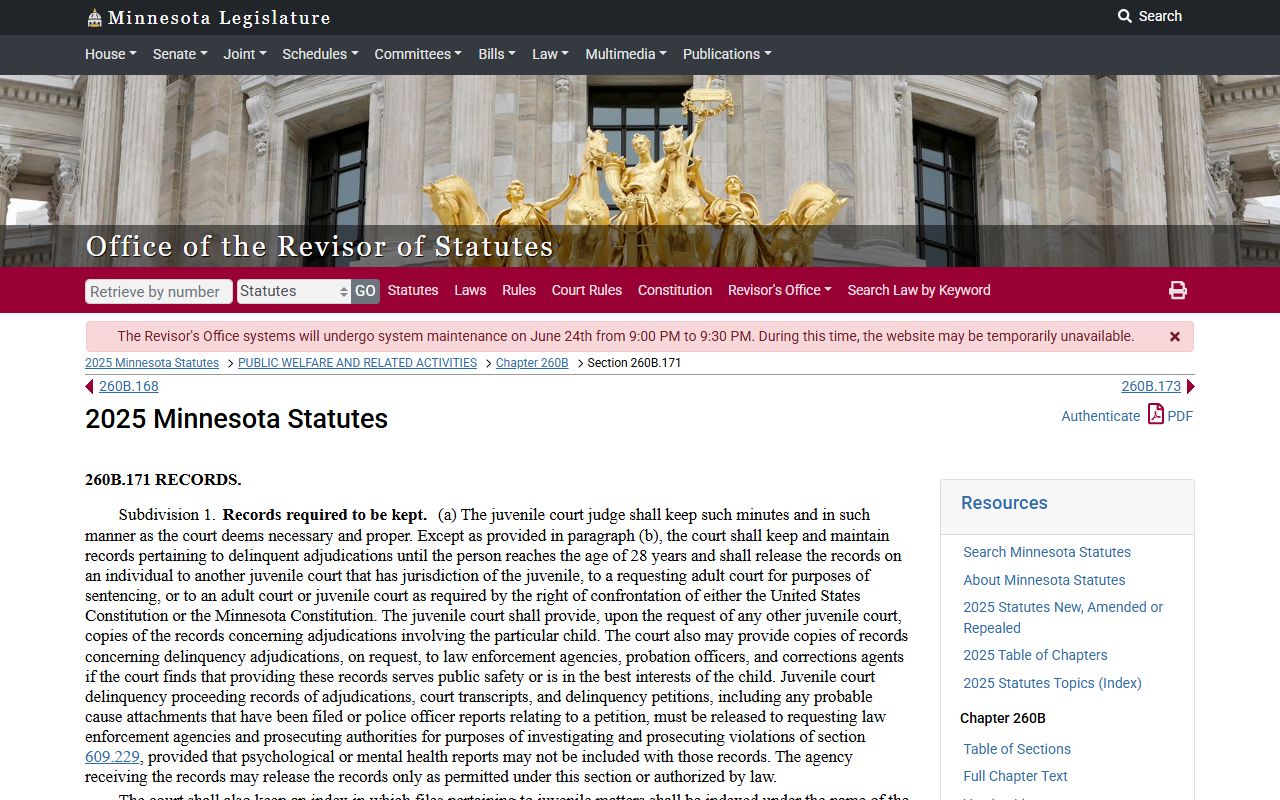
Juvenile limits are a key reason a search for Dakota County charges may not show every arrest-related matter online.
Dakota Charge Record Access Limits
Public access depends on the record holder. Court charge records are controlled by Minnesota court public-access rules. County attorney, sheriff, jail, and administrative data use the Minnesota Government Data Practices Act when the data are maintained by county offices. MCRO remote access does not show every public terminal record. Domestic abuse, harassment, CHIPS, juvenile, civil commitment, sealed, expunged, medical, street-address, and comment-field information can be withheld from internet display.
Marriage-license law is unrelated to arrest records, but the manifest assigns a Minnesota statute screenshot to this page. The useful lesson is narrower: a statute citation only matters when it governs the record being requested. For arrest-to-charge research, use court rules, criminal expungement law, juvenile-record law, MCRO, Court Administration, the county attorney data route, and sheriff or jail data practices routes.
The Minnesota marriage license statute page is a state-law source image assigned to this page by the manifest.
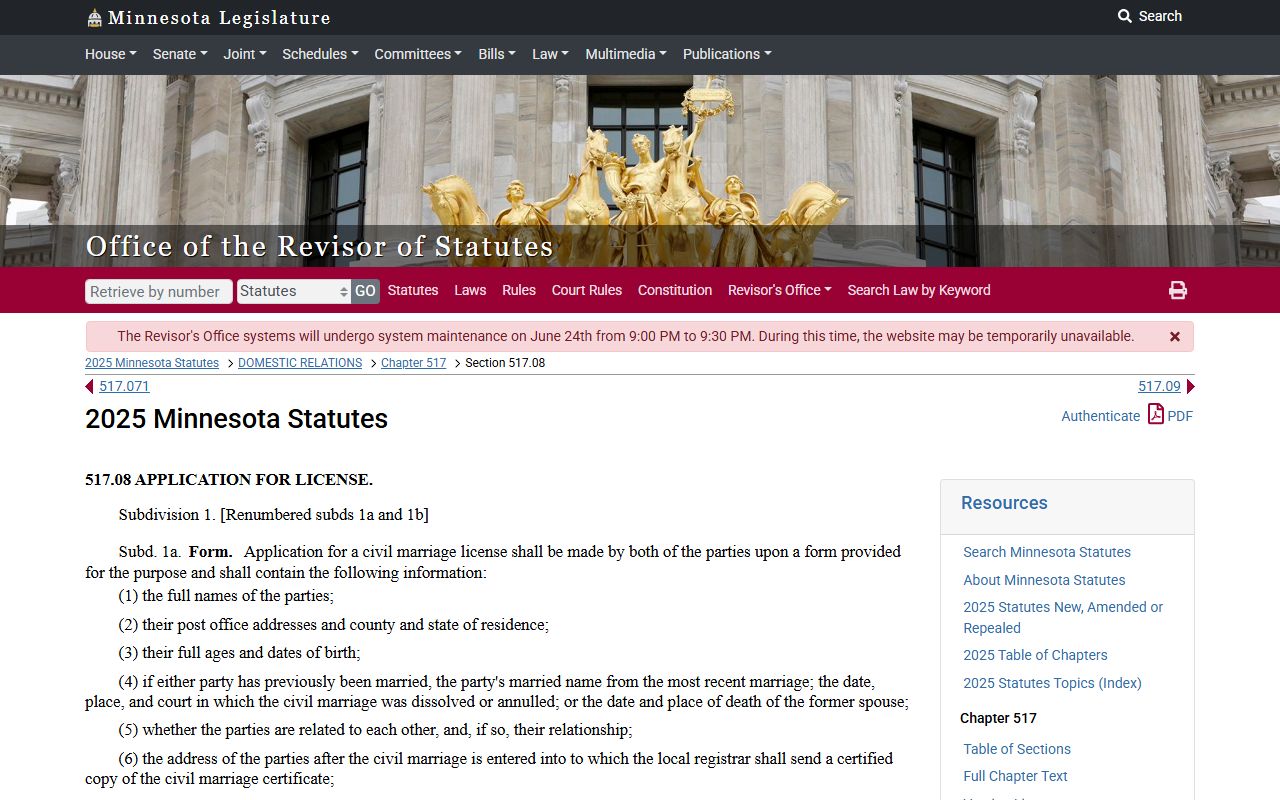
For charge records, rely on the statutes and court rules that actually control criminal and juvenile access.
Background Check Considerations
A casual Dakota County arrest records search is not a consumer report. Employers, landlords, lenders, insurers, and others with FCRA-regulated purposes must use compliant consumer-reporting processes. For personal research, a person should still avoid treating an arrest, complaint, or pending charge as a conviction. The court record must be checked for amendments, dismissals, plea, verdict, disposition, sentence, and expungement or sealing orders.
Important: A booking, warrant, complaint, or filed charge is not proof of conviction without a matching disposition or sentencing entry.